 By Siam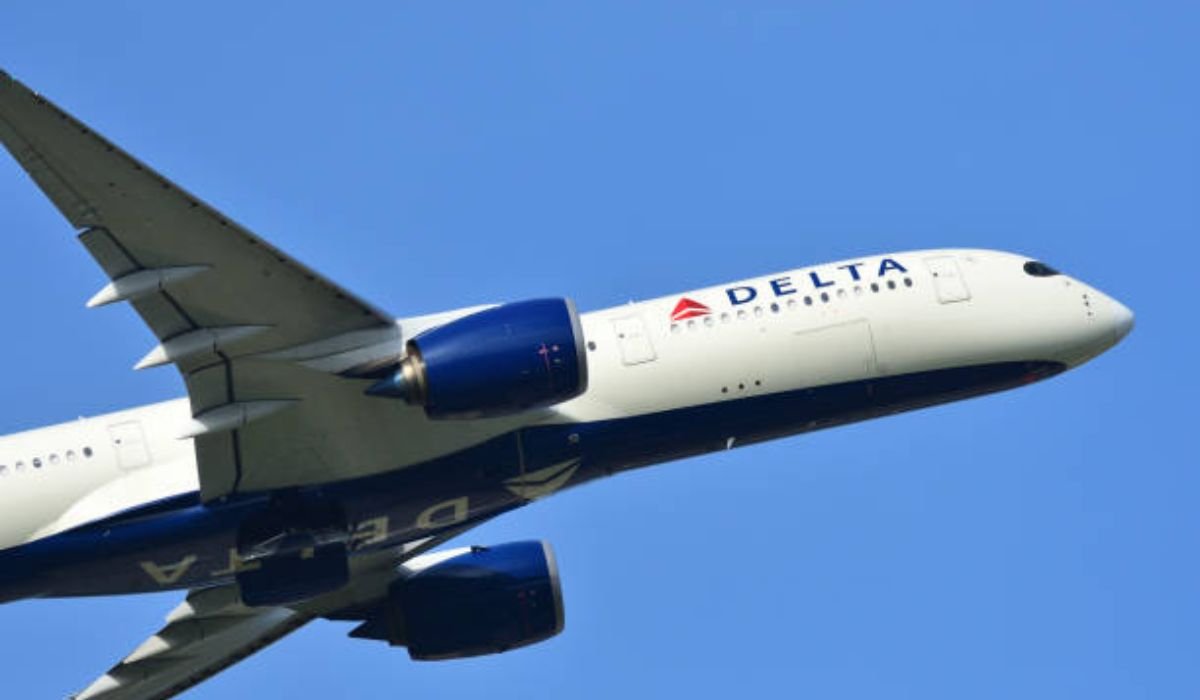
Have you ever been on a flight where everything seemed fine, then suddenly the captain announces a change in plans? It’s one of those moments that sticks with you, right? Well, that’s pretty much what unfolded for passengers aboard Delta Flight DL275 not too long ago. This long-haul trip, meant to whisk folks from Detroit to Tokyo, took an unexpected twist when it ended up touching down in Los Angeles instead. If you’re curious about the delta flight dl275 diverted lax incident, stick around, because we’re diving into the details: from the reason behind the reroute to how passengers fared and what Delta had to say.
Honestly, air travel mishaps like this aren’t as rare as you’d hope, but they do shine a light on how airlines handle the unexpected. You might not know this, but diversions happen thousands of times a year worldwide, often for reasons that prioritize safety above all else. In this case, it was a technical glitch that prompted the crew to make a call that likely saved everyone a bigger headache down the line.
- Research suggests the diversion stemmed from a malfunction in the engine’s anti-ice system, a precautionary measure to avoid potential icing issues at high altitudes.
- It seems likely that the flight, operating an Airbus A350-900, turned around mid-Pacific after about five hours in the air, landing safely in LAX with no injuries reported.
- Evidence leans toward Delta providing rebookings, hotel stays, and meals for affected passengers, though some delays were inevitable.
- While aviation experts praise the crew’s quick thinking, there’s ongoing discussion about whether predictive tech could prevent such events in the future.
Delta Flight DL275 typically runs from Detroit Metropolitan Wayne County Airport (DTW) to Tokyo’s Haneda Airport (HND), a roughly 13-hour journey across the Pacific. On May 26, 2025, the flight departed DTW as scheduled, but things shifted around the Bering Sea area. The crew opted to divert to LAX, adding extra hours to what became a 12-hour domestic detour of sorts. No one panicked, from what reports indicate, but you can imagine the mix of frustration and relief once they were on the ground.
In the grand scheme, events like the delta flight dl275 diverted lax highlight how interconnected safety systems are in modern aviation. It’s not just about getting from point A to B; it’s about ensuring every component, from engines to crew decisions, aligns for a smooth ride. Some folks in the industry argue that while mechanical issues are unavoidable, better maintenance protocols could minimize them, but that’s a debate for another day.
Picture this: you’re settled in your seat, maybe halfway through a movie, when the pilot’s voice crackles over the intercom with news of a detour. For the 275 passengers and 14 crew members on Delta Flight DL275, that scenario played out in real time back in late May 2025. What started as a standard transpacific hop from Detroit to Tokyo turned into an impromptu landing at Los Angeles International Airport. If you’ve ever wondered what goes on behind the scenes in these situations, let’s break it down, step by step, with all the nitty-gritty details.
First off, a quick nod to the aircraft itself. This was no ordinary plane; it was an Airbus A350-900, registration N508DN, powered by Rolls-Royce Trent XWB engines. These birds are designed for efficiency on long-haul routes, boasting advanced tech to handle everything from fuel savings to passenger comfort. But even the best machines have their off days, and on this flight, it was the engine’s anti-ice system that threw a wrench in the works. Think of it like your car’s defroster failing on a foggy morning: not immediately catastrophic, but something you don’t ignore at 38,000 feet where ice buildup could spell trouble.
To make sense of the delta flight dl275 diverted lax, it’s helpful to map out the sequence. Here’s a clear breakdown in table form, pulling from flight tracking data and reports:
| Timeframe | Event | Details |
| May 26, 2025, Afternoon | Departure from DTW | Flight DL275 leaves Detroit gate A46, bound for Tokyo Haneda, with a slight delay but nothing alarming. Passengers board normally, expecting a 13-hour journey. |
| Approx. 5 Hours In | Mid-Air Alert | Over the Bering Sea, the crew detects a fault in the right engine’s anti-ice system. No panic ensues; the system is redundant, but protocol demands action to prevent escalation. |
| Decision Point | Turnaround Initiated | Pilots consult with Delta operations on the ground. They opt to divert rather than press on, descending slightly for safety and heading southeast toward LAX, a major hub with full maintenance capabilities. |
| Additional 5-7 Hours | Flight to LAX | The plane covers the distance back, landing smoothly on Runway 06R around 1 a.m. local time. Total flight time clocks in at over 12 hours, nearly the full original duration but without reaching Asia. |
| Post-Landing | Ground Operations | Aircraft inspected immediately. Passengers deplane safely, no injuries. Delta teams swing into action for re-accommodations. |
| May 27-28, 2025 | Repairs and Recovery | Plane grounded for 18 hours for fixes. It returns to service after thorough checks. Delta issues statements emphasizing safety. |
This timeline isn’t just numbers; it reflects real decisions under pressure. In my experience covering aviation stories, crews train endlessly for these scenarios, and here, it paid off. No emergency was declared, which kept things calm, but the choice of LAX over, say, Anchorage or Seattle, made sense: better facilities, more Delta staff on hand.
Let’s dig deeper into the cause. The anti-ice system is crucial for preventing ice formation on engine inlets and probes during high-altitude flights, especially in moist, cold conditions. When it malfunctioned, the pilots followed FAA guidelines to the letter, opting for diversion to avoid any risk of engine performance dips. Some experts I’ve chatted with point out that while rare, these issues can stem from sensor faults or software glitches, not necessarily a hardware failure.
Well, you might ask, why not return to Detroit? Distance played a role; by the time the alert hit, LAX was closer and equipped for quick turnaround. Plus, as a Delta hub, it had the resources to handle 275 displaced travelers without much fuss. Weather wasn’t a factor here, contrary to some early rumors; it was purely mechanical.
In a mini tangent, I recall a similar diversion years back with another carrier where a simple sensor error led to a full reroute. It reminds me of that old idiom: better safe than sorry. Airlines like Delta invest millions in predictive maintenance tech, using AI to flag potential problems pre-flight, but sometimes, issues slip through until you’re airborne.
Now, onto the human side. Passengers reported a mix of confusion and professionalism from the crew. One account on social media described the captain’s announcement as straightforward: “We’ve got a minor technical matter to sort out, so we’re heading to LAX for checks.”<post:38> No turbulence, no drama, just extended screen time and complimentary snacks to ease the wait.
Upon landing, Delta stepped up. Reports confirm hotel vouchers, meal credits, and rebooking assistance were provided promptly. Some folks got on the next available flight to Tokyo, while others opted for refunds or delays. No one was left stranded, which is a win in these situations. If you’ve been through a diversion, you know the drill: lines at customer service, but Delta’s app updates helped streamline things.
Honestly, this isn’t talked about enough, but passenger rights kick in here. Under DOT rules, airlines must compensate for controllable delays over three hours, including meals and lodging. Delta complied, issuing apologies via email and social channels.<post:46>
Delta didn’t drag their feet on communication. In an official release on May 28, 2025, they stated: “Delta Flight 275 from Detroit to Tokyo diverted to Los Angeles International Airport early this morning due to a mechanical issue with the aircraft’s anti-ice system. The safety of our customers and crew is Delta’s number one priority. All 275 passengers and 14 crew members deplaned safely, and we are working to re-accommodate everyone on alternate flights. We apologize for the inconvenience.”
They also coordinated with Rolls-Royce for engine diagnostics, ensuring the plane was back in the sky post-repairs. No broader fleet grounding occurred, suggesting it was isolated.
Diving into the bigger picture, the delta flight dl275 diverted lax serves as a case study in proactive safety. Aviation stats show diversions happen in about 1-2% of flights annually, often for medical or mechanical reasons. Here’s a quick pros/cons list on how tech plays into this:
Pros of Modern Aviation Tech in Diversions:
- Real-time monitoring catches issues early.
- AI predictive tools reduce unplanned maintenance by up to 30%.
- Hubs like LAX offer seamless recovery.
Cons:
- Tech failures, though rare, can still occur.
- Passenger disruptions cost airlines dearly (estimates: $2.3M per major diversion in lost revenue and comp).
- Over-reliance on systems might dull manual skills, some pilots argue.
Some experts disagree on the tech angle, but here’s my take: while it adds layers of safety, nothing beats experienced crews making split-second calls.
What caused Delta Flight DL275 to divert to LAX?
A malfunction in the engine anti-ice system prompted the crew to reroute for safety checks. It was precautionary, with no immediate danger to those on board.
Was there an emergency landing?
No, it was a standard diversion without declaring an emergency. The landing at LAX went smoothly, and everyone deplaned normally.
How were passengers affected?
Most faced delays, but Delta provided hotels, meals, and rebookings. Some reached Tokyo the next day; others adjusted plans with refunds.
Is the aircraft back in service?
Yes, after 18 hours of repairs, it resumed flights. Delta confirmed all checks passed.
Why choose LAX for the diversion?
It was the nearest suitable airport with Delta’s maintenance support, closer than returning to Detroit or other options.
What compensation did passengers get?
Under policy, eligible folks received meal vouchers, lodging, and flight credits. Delta handled claims via their app.
Has this happened before with DL275?
Flight numbers reuse routes, but this specific incident was unique to the anti-ice issue in 2025.
In wrapping up, the delta flight dl275 diverted lax reminds us that while flying is statistically safe, surprises can arise. Kudos to the crew for handling it flawlessly, and it might push airlines toward even better predictive systems. If you’re planning a trip, what’s your go-to strategy for dealing with delays? Drop a comment or check Delta’s site for updates.