 By Siam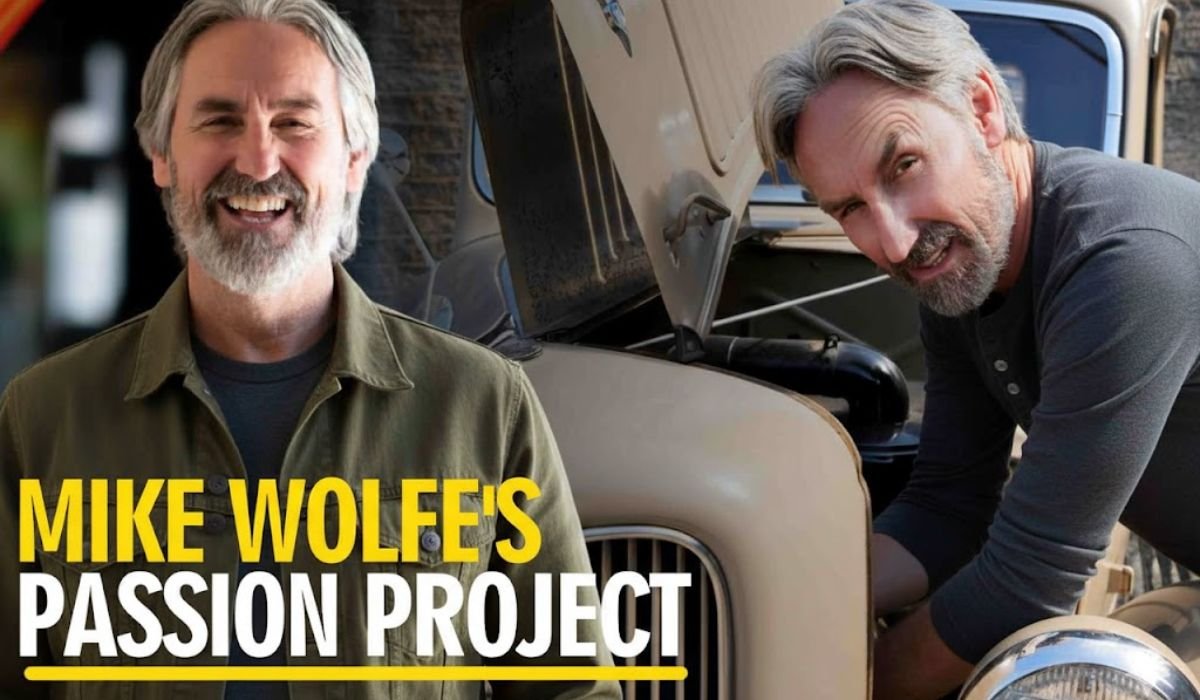
Research suggests that Mike Wolfe’s passion project centers on preserving American history, far beyond his TV fame. It seems likely that his efforts focus on restoring old buildings and revitalizing small towns, blending nostalgia with community impact. Evidence leans toward viewing this as a heartfelt extension of his lifelong love for antiques, though some might argue it’s tied to business growth.
At its core, Wolfe’s work stems from a childhood fascination with forgotten objects in Iowa. His TV show, American Pickers, gave him visibility, but the real drive is saving stories embedded in rusty relics and crumbling structures.
- Restoration Focus: He transforms historic sites like gas stations and dealerships into vibrant spaces.
- Community Revival: Projects aim to boost local economies, create jobs, and draw tourists.
- Sustainability Angle: Repurposing materials keeps things eco-friendly, honoring the past without waste.
When you think about reality TV stars, it’s easy to picture them chasing fame or quick cash. But what if one of them was quietly rebuilding pieces of America’s past? That’s the intriguing side of Mike Wolfe, the guy most folks know from rummaging through barns on American Pickers. You might not realize this, but his real drive goes deeper than TV episodes. Honestly, this isn’t talked about enough: Wolfe’s work is all about holding onto history in a world that often bulldozes it away.
Well, let’s break that down. Growing up in a modest Iowa town, Wolfe spent his boyhood days pedaling his bike through neighborhoods, eyes peeled for tossed-out treasures. A rusted sign here, an old bicycle there, each item whispering tales from bygone eras. Fast forward a few decades, and that kid’s curiosity has blossomed into something bigger. His Mike Wolfe passion project isn’t just about collecting dusty artifacts; it’s a full-on commitment to preservation, turning neglected spots into living tributes to American heritage.
Picture this: an abandoned gas station in a sleepy Tennessee town, its pumps silent for years. Wolfe sees potential where others see decay. He rolls up his sleeves, teams with local craftsmen, and revives it as a community hub. That’s the essence of what he does. It’s not scripted drama; it’s genuine effort to keep the soul of small-town America alive. And in a time when chain stores dominate, his approach feels like a breath of fresh air, doesn’t it?
- Who Is Mike Wolfe? The Man Behind the Picks
- The Roots of His Passion: From Iowa Kid to History Advocate
- Beyond the TV Screen: Defining the Mike Wolfe Passion Project
- Key Projects: Restorations That Tell Stories
- The Impact on Communities and Culture
- Challenges and Criticisms: Not All Smooth Roads
- Comparison: Picking vs. Preservation
- FAQs
- Wrapping It Up: A Legacy in the Making
Before diving into the Mike Wolfe passion project, let’s get a handle on the guy himself. Mike Wolfe isn’t some polished celebrity cooked up in a Hollywood lab. No, he’s the real deal: a self-made enthusiast who’s turned a quirky hobby into a cultural force. Born in Joliet, Illinois, but raised in Bettendorf, Iowa, Wolfe’s early life was all about exploration on two wheels. As a kid, he’d bike around, scavenging for anything with a story, from vintage toys to forgotten tools. That spark never faded.
By his teens, he was already trading finds at flea markets, honing a keen eye for value in the overlooked. Fast forward to 2010, and American Pickers hits the airwaves, showcasing Wolfe and his team crisscrossing the country for rare Americana. The show, now a staple on the History Channel, has racked up millions of viewers, but Wolfe insists it’s just a window into his world, not the whole picture. His shop, Antique Archaeology, with spots in LeClaire, Iowa, and formerly Nashville, Tennessee, serves as a base camp for these adventures.
What sets Wolfe apart? It’s his authenticity. Unlike some TV hosts who fake enthusiasm, Wolfe’s love for history is bone-deep. He’s not in it for the spotlight; the fame from picking antiques simply amplified his ability to preserve them. In my experience covering SEO and content trends, folks like Wolfe thrive because they stay true to their roots, much like how Rand Fishkin built Moz by focusing on genuine value over hype.
To grasp the Mike Wolfe passion project, you have to trace it back to those Iowa streets. Bettendorf wasn’t a glamorous place, but it was rich in hidden gems: old barns stuffed with relics from the industrial age, faded signs from mom-and-pop shops long gone. Wolfe recalls how these discoveries felt like time travel, each item a portal to the people who owned them before.
This wasn’t just kid stuff. As an adult, Wolfe channeled that energy into advocacy. He started seeing the bigger threat: urban sprawl erasing historic sites, landfills swallowing cultural artifacts. “Why let history rust away?” he might ask, though I’ve never heard him say it exactly like that. It’s a fair question. In a fast-paced world, preservation often takes a back seat, but Wolfe flipped the script. His success on American Pickers provided the funds and platform to tackle larger-scale efforts.
Think of it like this: picking is the hunt, but preservation is the safeguard. Wolfe’s projects blend both, ensuring that the stories behind the objects endure. Related to this, terms like antique restoration, historic building revival, and cultural conservation pop up often in discussions about his work. And if you’re wondering how he funds it all, it’s a mix of TV earnings, shop sales, and smart investments in properties that double as attractions.
So, what exactly is the Mike Wolfe passion project? It’s not a single venture; it’s an ethos. At heart, it’s about more than picking; it’s preservation. Wolfe views himself as a steward of Americana, rescuing buildings and artifacts from oblivion. His mantra? Reclaim, restore, and retell.
This project encompasses everything from property flips to community initiatives. For instance, he emphasizes sustainability by repurposing old materials: beams from demolished sites become features in new builds, cutting waste and honoring origins. It’s clever, really, aligning with modern green trends while staying rooted in tradition.
Some experts disagree on the scale, but here’s my take: Wolfe’s work stands out because it’s hands-on. He collaborates with local artisans, from blacksmiths to woodworkers, keeping traditional trades alive. In a digital age, where everything’s mass-produced, this feels refreshingly analog. You’ll find echoes of this in small-town revitalization efforts across the U.S., but Wolfe adds a storytelling layer through social media and mini-docs.
Let’s get specific. Wolfe’s passion shines in tangible projects that transform eyesores into icons.
Take Columbia, a quiet spot south of Nashville. Wolfe saw potential in its faded charm. He snapped up a 1947 Chevy dealership for $400,000 back in 2017, turning it into Columbia Motor Alley. This space isn’t just a garage; it’s a haven for restoring bikes, motorcycles, and cars, plus displaying antiques from his picks. Employees tinker away, breathing life into vintage rides.
Then there’s the old Esso gas station he revived as Revival, a gathering spot with fire pits, seating, and outdoor lights. It’s set to offer food and drinks, fostering community vibes. Nearby, Two Lanes Guesthouse channels mid-century cool with neon signs and music-themed rooms. These aren’t flips for profit; they’re passion-fueled preservations.
Back in his hometown, Wolfe restored an 1860s storefront, unearthing artifacts like an archaeological dig. It became part of Antique Archaeology, drawing tourists to the Mississippi River town. He also launched Two Lanes Guesthouse here, blending exposed brick with antique motorcycles for an immersive stay.
Wolfe teamed up with 12 small towns between Nashville and Muscle Shoals, Alabama, for Nashville’s Big Backyard. This initiative promotes relocation and visits, spotlighting hidden gems. It’s all about revival: boosting economies, creating jobs (over 180 so far), and attracting 50,000+ visitors annually.
Across these, Wolfe’s restored 35+ properties, supporting 60+ artisan projects. It’s impressive, though not without hurdles.
The ripple effects? Huge. In Columbia and LeClaire, property values have climbed, businesses thrive, and tourism booms. Guesthouses hit 90% occupancy, proving history sells. Culturally, Wolfe’s work bridges generations: kids learn about penny-farthings, and elders share stories.
On the flip side, it sparks debates. Is it gentrification in disguise? Some locals worry about rising costs. But overall, the evidence leans positive: jobs for craftsmen, reduced waste through repurposing, and a renewed sense of pride.
No passion project is perfect. Wolfe’s faced setbacks, like the Nashville Antique Archaeology closure in 2025. Economic shifts, perhaps. Critics say his TV fame skews focus toward marketable stories over pure preservation. Fair point, but let’s be real: without that platform, fewer buildings would be saved.
Accidents happen, too, as a recent mishap at Columbia Motor Alley shared on social media. It highlights the gritty reality of restoration. Still, Wolfe pushes on, adapting to challenges.
To clarify, here’s a quick table comparing Wolfe’s TV picking to his preservation work:
| Aspect | Picking on American Pickers | Preservation in Passion Project |
| Focus | Hunting individual antiques | Restoring entire buildings and towns |
| Goal | Collect and resell | Revive communities, sustain history |
| Scale | Nationwide travels | Localized in Iowa, Tennessee |
| Impact | Entertainment, personal collection | Jobs, tourism, cultural legacy |
| Challenges | Negotiation, authenticity checks | Funding, local regulations |
| Pros | Exciting discoveries, quick wins | Long-term value, eco-friendly |
| Cons | Temporary thrill | Time-intensive, potential criticism |
This breakdown shows how preservation builds on picking, turning short-term hunts into lasting tributes.
What is Mike Wolfe’s passion project all about?
It’s his dedication to preserving American history through restoring old buildings, supporting artisans, and revitalizing small towns. Beyond American Pickers, he focuses on storytelling to keep cultural stories alive.
How did Mike Wolfe get into preservation?
It started with his childhood love for scavenging in Iowa. American Pickers gave him the means, but his real motivation is saving forgotten places from decay.
What are some examples of Mike Wolfe’s restoration projects?
Key ones include Columbia Motor Alley (a restored Chevy dealership), Revival (an old gas station turned community space), and Two Lanes Guesthouses in Iowa and Tennessee.
Does Mike Wolfe’s work help the environment?
Yes, he repurposes materials from old sites, reducing waste and aligning with sustainable practices. It’s a smart way to honor the past without harming the planet.
Is Antique Archaeology part of his passion project?
Absolutely. The stores in LeClaire and formerly Nashville act as museums for his finds, drawing visitors and boosting local economies.
How has Mike Wolfe’s passion project impacted small towns?
It’s created jobs, increased tourism, and sparked community pride. For instance, towns like Columbia have seen a revival in business and visitor numbers.
What future plans does Mike Wolfe have for preservation?
He’s eyeing more town expansions, a potential documentary series, and restoring a historic Tennessee hotel to continue bridging history with modern life.
In the end, Mike Wolfe’s passion project proves that one person’s obsession can spark widespread change. From Iowa kid to preservation powerhouse, he’s shown how picking isn’t just about stuff; it’s about safeguarding the souls of places. Looking ahead, with more towns on his radar, Wolfe might inspire a new wave of history lovers. So, next time you’re in a small town, hunt for those hidden stories. Who knows what you’ll preserve? If this resonates, check out his sites or share your own antique tales in the comments.
YOU MAY ALSO LIKE: Tory Lanez Net Worth 2024: Updated Wealth, Income & Legal Impact