 By Siam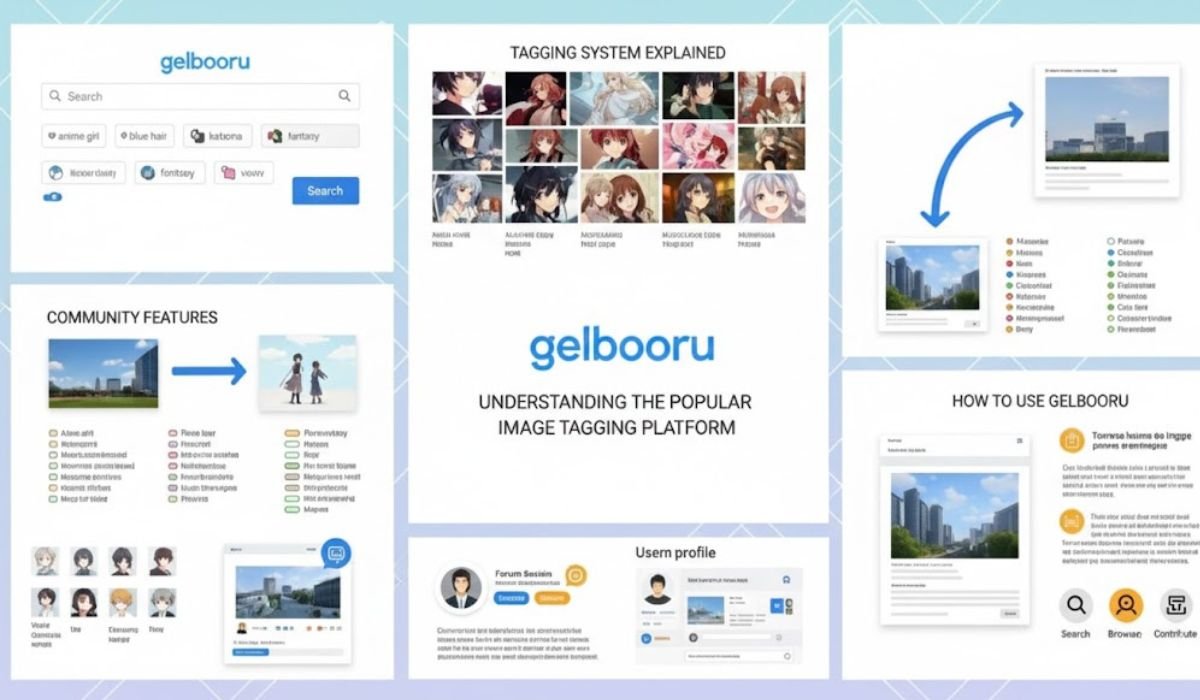
- Gelbooru is a vast anime imageboard where tags drive everything, making it easy to find specific art if you know the tricks.
- Start with simple searches like character names, but add “rating:safe” to keep things family-friendly, as the site includes mature content.
- Navigation is straightforward: Use the search bar at the top, browse popular tags, and check image details to avoid surprises.
- For safety, always preview tags before clicking, use ad blockers, and consider creating an account for custom filters.
- Research suggests Gelbooru’s tag system is powerful but can be overwhelming at first, so practice with basic operators like AND (space) or exclude (-tag).
Wondering how to zero in on high-quality anime art? Begin by typing tags separated by spaces for must-have elements, like “blue_hair school_uniform”. To exclude something, just add a minus sign, say “-explicit”. This approach helps refine results quickly.
If you’re contributing, tags are key: Describe characters, styles, and themes accurately. In my experience, good tagging helps the community, but remember to rate content properly to maintain safety standards.
It seems likely that with proper filters, Gelbooru can be navigated without issues, though some users report ad concerns. Stick to “rating:safe” searches and avoid unknown downloads to minimize risks.
Ever dived into the endless sea of anime artwork online and wondered how to actually find that one perfect image without getting lost? Well, that’s the magic of sites like Gelbooru, a massive imageboard that’s been around for years, hosting millions of user-uploaded pictures from anime, manga, and beyond. It’s not just a random gallery; it’s built on a clever tagging system that lets you search with precision. But let’s be real, if you’re new to it, the whole thing can feel a bit chaotic at first. That’s why this guide exists: to walk you through searching, tagging, and moving around Gelbooru without any headaches, all while keeping safety in mind. Honestly, once you master the basics, you’ll wonder how you ever browsed without it.
- What Is Gelbooru and Why Use It?
- Navigating the Gelbooru Interface Like a Pro
- The Power of Tags: Building Your Search Foundation
- Advanced Search Techniques to Find Exactly What You Want
- Tagging Images: How to Contribute Effectively
- Safety First: Tips for a Secure Browsing Experience
- Gelbooru vs. Other Imageboards: A Quick Comparison
- Frequently Asked Questions
- Wrapping It Up: Your Next Steps on Gelbooru
Picture this: You’re a fan of a niche anime character, and you want fan art that’s spot-on, maybe with a specific outfit or pose. Traditional search engines might give you scattered results, but Gelbooru? It’s designed for that exact hunt. Launched back in the mid-2000s, Gelbooru is one of the largest booru-style sites out there, where “booru” basically means a tag-based image repository. Users upload artwork, often from anime, manga, or games, and slap on descriptive labels called tags. These tags cover everything from character names (like “hatsune_miku”) to art styles (“pixel_art”) or even moods (“happy”).
What sets it apart is the community-driven aspect. Anyone can upload and tag, which keeps the collection fresh and massive, we’re talking millions of images. But here’s a little tangent: Back when I first stumbled onto sites like this, I was amazed at how quickly you could discover hidden gems, like rare crossover art between series. It’s not perfect, though; the sheer volume means you need strategies to avoid irrelevant stuff. If you’re into anime image search or hentai galleries (though we’ll focus on safe navigation here), Gelbooru’s efficiency is hard to beat. And for SEO folks like me, it’s a goldmine for understanding how semantic search works in practice, with LSI terms like “danbooru alternative” or “rule34 booru” popping up in related queries.
You might not know this, but Gelbooru draws from a broader “booru culture” that’s all about collaborative curation. It’s free to use, no mandatory sign-up, but creating an account unlocks extras like favoriting images or custom settings. Some experts disagree on whether it’s the “best” booru out there, but in my take, its search flexibility makes it a top choice for efficiency.
Let’s break that down a notch. When you land on the homepage, it’s pretty minimalist, which is a blessing in disguise. At the top, there’s the all-important search bar: your gateway to everything. Below that, you’ll spot featured images or popular posts, giving you a taste of trending content. Scroll down, and you’re in thumbnail heaven, with options to sort by date, score (based on upvotes), or views.
To move around, use the sidebar for quick links: “Posts” for the main feed, “Tags” to browse popular labels, “Artists” for creator spotlights, and “Pools” for grouped collections, like a series of images telling a story. If you’re on mobile, it adapts decently, but desktop gives you more room to breathe. One tip from my experience: Hover over thumbnails to see basic tags right away; it saves clicks and helps you decide if it’s worth opening.
Oh, and don’t overlook the account home if you sign up. There, you can tweak settings, like enabling “Safe Only Listing” to filter out mature stuff automatically. It’s like putting training wheels on your browsing session until you’re ready for more.
Tags are the heartbeat of Gelbooru. Think of them as keywords that describe every detail of an image. Basic ones might be “cat_ears” for characters with feline features or “mecha” for robot-themed art. To search, just type them into the bar, separated by spaces, which acts as an “AND” operator. So, “red_hair sword” pulls up images with both elements.
But why stop there? Tags fall into categories: character (e.g., “naruto_uzumaki”), artist (e.g., “artist:someone”), source (like “from:one_piece”), or general themes (“beach”). When uploading, you’re encouraged to add as many relevant ones as possible, which helps everyone. If you’re wondering, “How do I find high-quality anime wallpapers on Gelbooru?”, try “wallpaper rating:safe width:>=1920” for safe, high-res options.
In my years tinkering with SEO, I’ve seen how these systems mirror search engine algorithms, rewarding precise queries. A quick story: Once, I was hunting for obscure game art and combined tags in ways I hadn’t thought of before; it opened up a whole new world of results.
Now, for the fun part: leveling up your searches. Gelbooru’s syntax is like a mini programming language. Use “~” for “OR”, so “~cat_ears ~fox_ears” gets either. Exclude with “-“, like “-explicit” to dodge adult content. Wildcards? “” is your friend: “ta1″ finds tags starting with “ta” and ending in “1”. Fuzzy search adds a “~” at the end, like “night~” for similar terms.
Metatags take it further. “rating:safe” filters for family-friendly images, while “rating:questionable” or “rating:explicit” go the other way. Want uploads by a specific user? “user:bob”. Or sort with “sort:score” for popular ones. Combine them: “hatsune_miku rating:safe -swimsuit” for safe Miku art without beachwear.
You can even search by ID (“id:1”) or MD5 hash for exact matches. If results are too broad, layer on more: “blue_hair school_uniform artist:known_creator”. It’s unpredictable at times, like when OR doesn’t work perfectly, but practice makes it second nature.
Uploading? It’s simple: Hit the “Upload” link, add your image, then tag it thoroughly. Rate it first: safe for public-viewing stuff, questionable for suggestive poses, explicit for anything more. Good tags boost discoverability; bad ones bury your work.
Community guidelines stress accuracy. For instance, tag sources if it’s from a show. In my opinion, this isn’t talked about enough: Proper tagging builds trust and keeps the site usable. If you’re an artist, include “original” to mark your creations.
Let’s face it, imageboards like Gelbooru can have edgy content, so safety matters. Start with “rating:safe” in every search to filter out NSFW. If you have an account, toggle “Safe Only Search” in options.
Use ad blockers, as ads might be intrusive. Always scan tags before clicking: They preview content, helping you sidestep unwanted surprises. Avoid downloading from untrusted links, and consider VPNs for privacy.
For parents or shared devices, Safebooru (a sister site) is purely SFW. The evidence leans toward Gelbooru being safe with these precautions, but some disagree, citing occasional moderation slips. Well, that’s the internet for you; stay vigilant.
| Feature | Gelbooru | Danbooru | Safebooru | Rule34 |
| Content Focus | Anime, manga, broad tags | Strict anime curation | SFW only | Adult-themed |
| Search Complexity | High (wildcards, metatags) | Moderate | Basic | High, but niche |
| Safety Filters | Rating-based, account options | Safe mode available | Inherent | Limited |
| Community Size | Massive | Large | Medium | Large |
| Pros | Flexible searches, free uploads | Quality control | No NSFW risk | Specific genres |
| Cons | Potential ads, variable quality | Stricter rules | Limited content | Overly explicit |
This table highlights why Gelbooru stands out for versatile, tag-heavy browsing. In comparisons like this, Gelbooru often wins for speed and volume, though Danbooru edges it on moderation.
Is Gelbooru safe to use?
With filters like “rating:safe” and ad blockers, yes, it can be navigated securely. Just preview tags and avoid suspicious links to steer clear of unwanted content.
How do I use wildcards in Gelbooru searches?
Add “” for partial matches, like “ta1″ for tags starting with “ta” and ending in “1”. It’s great for broadening results without losing focus.
What’s the difference between rating:safe and rating:explicit?
Safe is for public-friendly images, no nudity or suggestions. Explicit covers adult themes, while questionable is in-between, like swimsuits or poses.
Can I upload images without an account?
Sure, but accounts let you manage uploads better and access features like favorites. Tagging accurately is key either way.
How to exclude tags in searches?
Just put a “-” before the tag, like “-swimsuit”, to remove those results. Combine with others for precise filtering.
Does Gelbooru have a mobile app?
No official one, but the site is mobile-friendly. Use browser bookmarks for quick access.
What’s fuzzy search on Gelbooru?
Add “~” after a tag, like “night~”, to find similar spellings or related terms via Levenshtein distance. Handy for typos.
So, there you have it: From basic navigation to pro-level tagging, Gelbooru isn’t as intimidating as it seems. With its robust search tools and community vibe, it’s a fantastic resource for anime enthusiasts, artists, or anyone hunting visual inspiration. In my view, the future looks bright for booru sites, maybe with better AI tagging to make things even smoother. But for now, jump in with those safety tips, and you’ll be fine.
 Daniel